
WR’s involvement in this year’s local elections commenced with our sending of a survey to independent and minor-party candidates in the polled areas, on matters of Wessex identity, devolution, and the values of the Party.
What proceeds in this blog post is an overview of the findings of our survey. This will be followed up with the story of how WR endorsed certain independent candidates in part three of our series on the reaction to the results of the votes (cf. parts 1 and 2).
Results of the Wessex and Local Government Survey
The survey was sent out to 68 independent and minor-party candidates whose details could be found among those 2025 candidates listed on the site whocanivotefor.co.uk.
A few responses came in quickly, so, enthused by the early response and having the time to send out another copy of the email, I was able to send a replica survey to Liberal Democrats candidates. I had in mind that Liberal Democrats nominally support regional devolution and federalism, and that the Party has some historical ties to WR given that our founder, Alexander Thynn, joined the Liberal Democrats after a few years setting up WR.
While six independent and minor-party candidates responded to the first batch of shares of the survey, no Liberal Democrats (LD) responded to the survey. This was hardly surprising; the feeling among WR members is that while LD officially support federalism, they aren’t interested in advancing regional devolution, let alone regional devolution for Wessex. Their minimum regional population of one million would exclude Cornwall explicitly on the one hand; and, reading between the lines, may also exclude a united devolved Wessex, on the other, as too big an area.
Awareness of Wessex
The first part of the survey polled awareness of Wessex in its different iterations. Perhaps unsurprisingly, those independents and minor-party candidates who did respond had all heard of Wessex, with 6/6 responses to the affirmative. Whether they had heard of Wessex as a Hardian ideal or as a modern cultural region was the question which gave more interesting results.
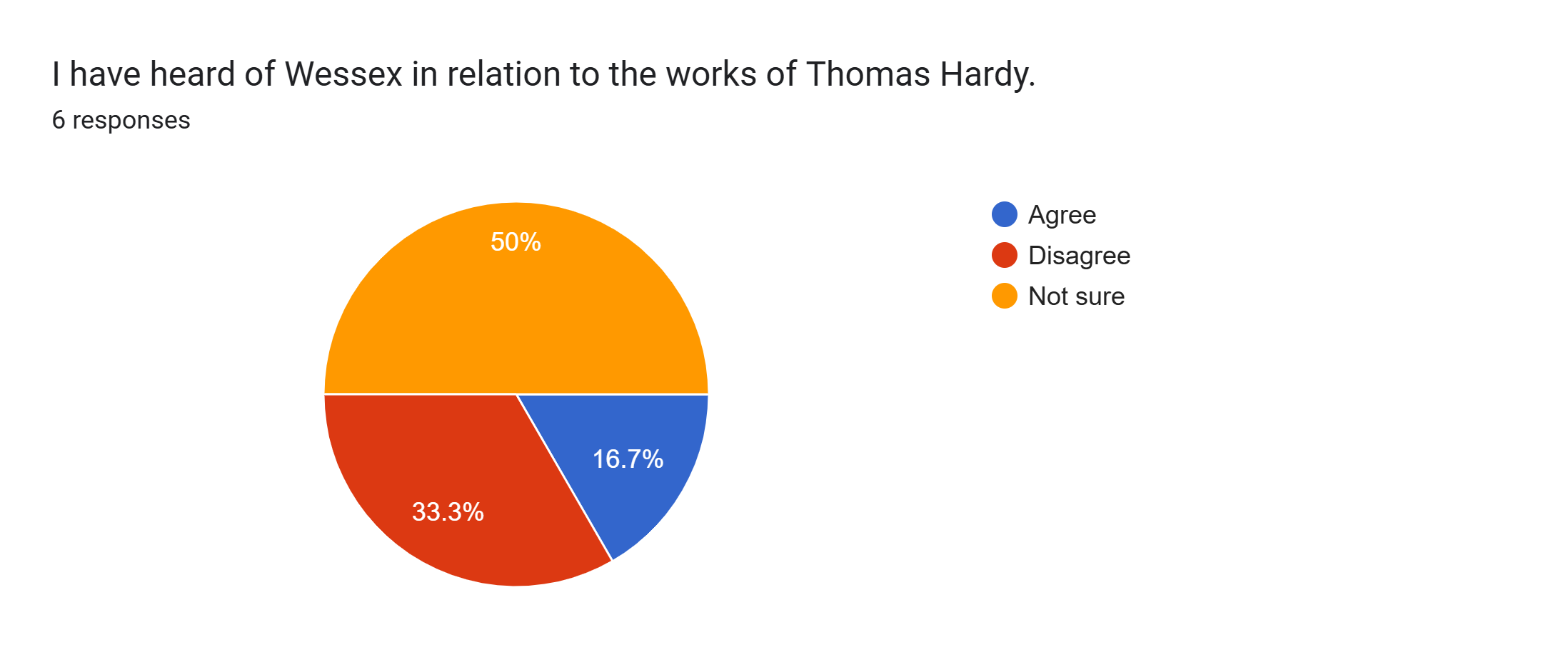
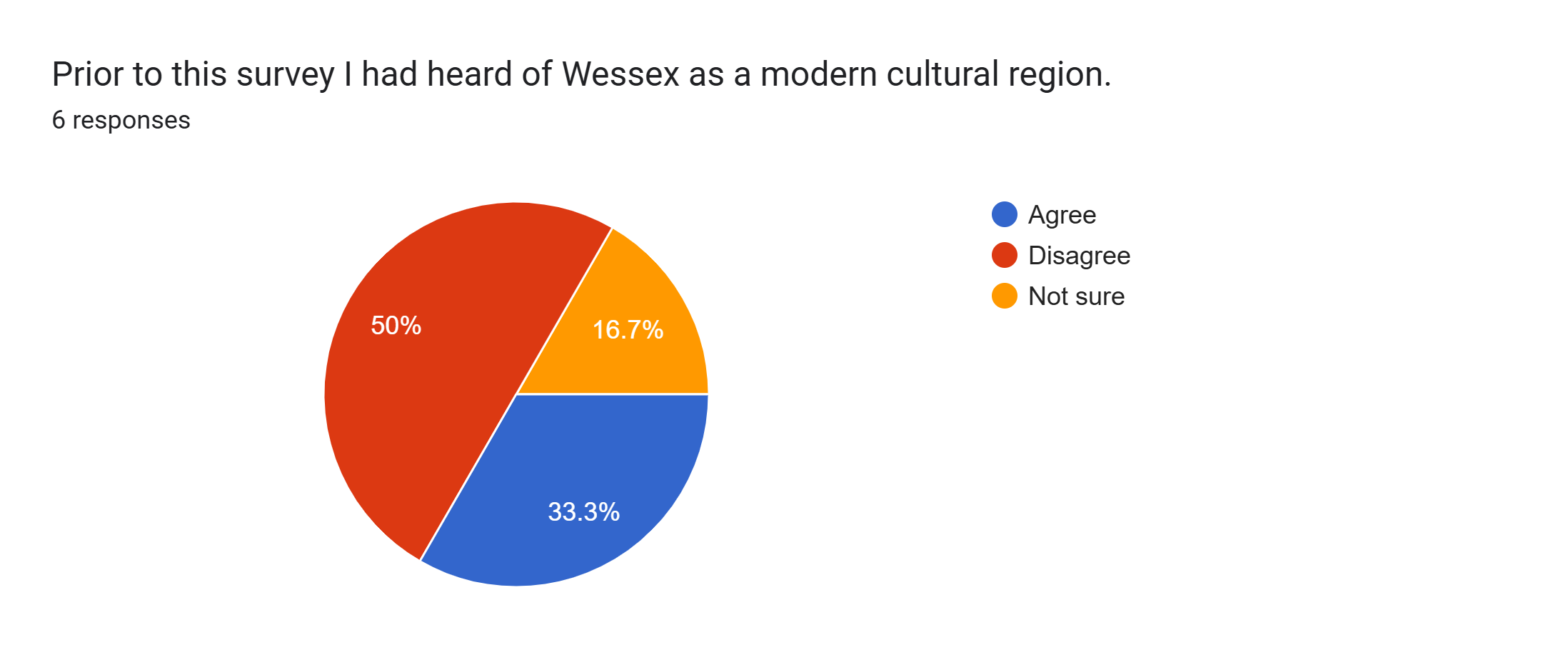
While more were aware of Wessex as a modern cultural region than as the “partly real, partly dream-country” of Thomas Hardy, it was ultimately Wessex’s historical status that was most recognised. Indeed, when I write that candidates ‘had all heard of Wessex,’ the question to which I make reference was phrased in the manner visible below.
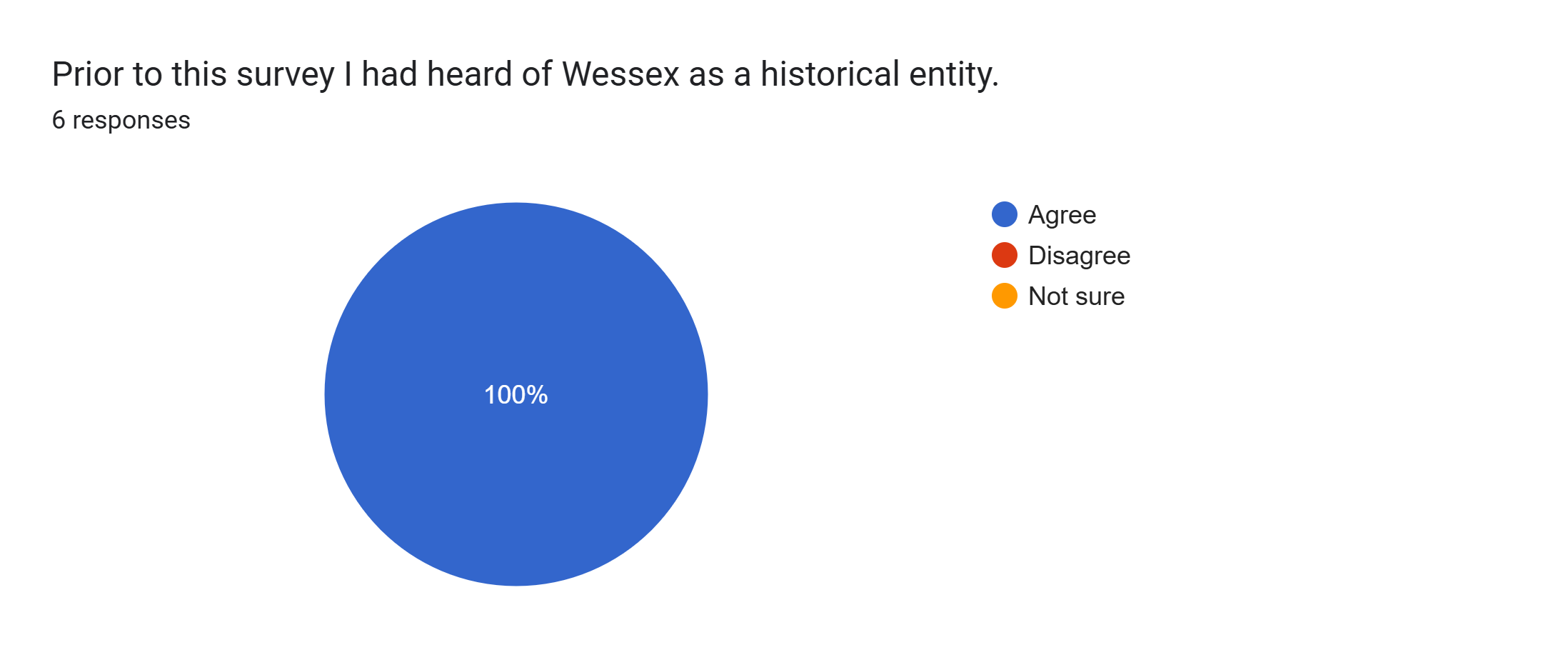
This does not necessarily relate Wessex back to the days of King Alfred specifically, as Wessex has existed also as a historical earldom, and indeed had many monarchs during its time as a Kingdom – but it does suggest that Wessex’ medieval identity, perhaps best encapsulated by such a figure as Alfred, is one of the main ways people in England come to know our region. While WR do not aim to recreate an idealised Anglo-Saxon past, we can nonetheless look to the legacy of our Wessaxon forebears and ask how – for example – Alfred’s reformism may be reimagined and reapplied in today’s context.
The next question pertained to the Party directly. Only one of the six respondents had heard of the Party despite hearing of Wessex otherwise, suggesting both that the survey exercise had been productive in terms of outreach and also that there is much more to do – particularly, as other questions imply, in telling the tale of modern Wessex since and before Hardy while acknowledging historical Wessex as a potential ‘pull factor’ for would-be members.
Potentials for devolution
Survey-answerers were split three ways between ‘agree,’ ‘disagree,’ and ‘not sure’ on the question of whether Berkshire, Hampshire, and Oxfordshire, recognised by the Wessex Society as part of Wessex, had more in common with the South West than the South East. At the time of administrative regionalisation, the Wessex Constitutional Convention proposed taking these three regions from the South East into the South West, the latter to be renamed ‘Wessex.’ Nonetheless, half were in agreement that “a regional system including ‘Wessex’ is preferable to one based on the ‘South West England’ and ‘South East England regions,’ with the other half responding ‘not sure.’ This suggests there is ground to be won regarding the Party’s definition of boundaries and borders.
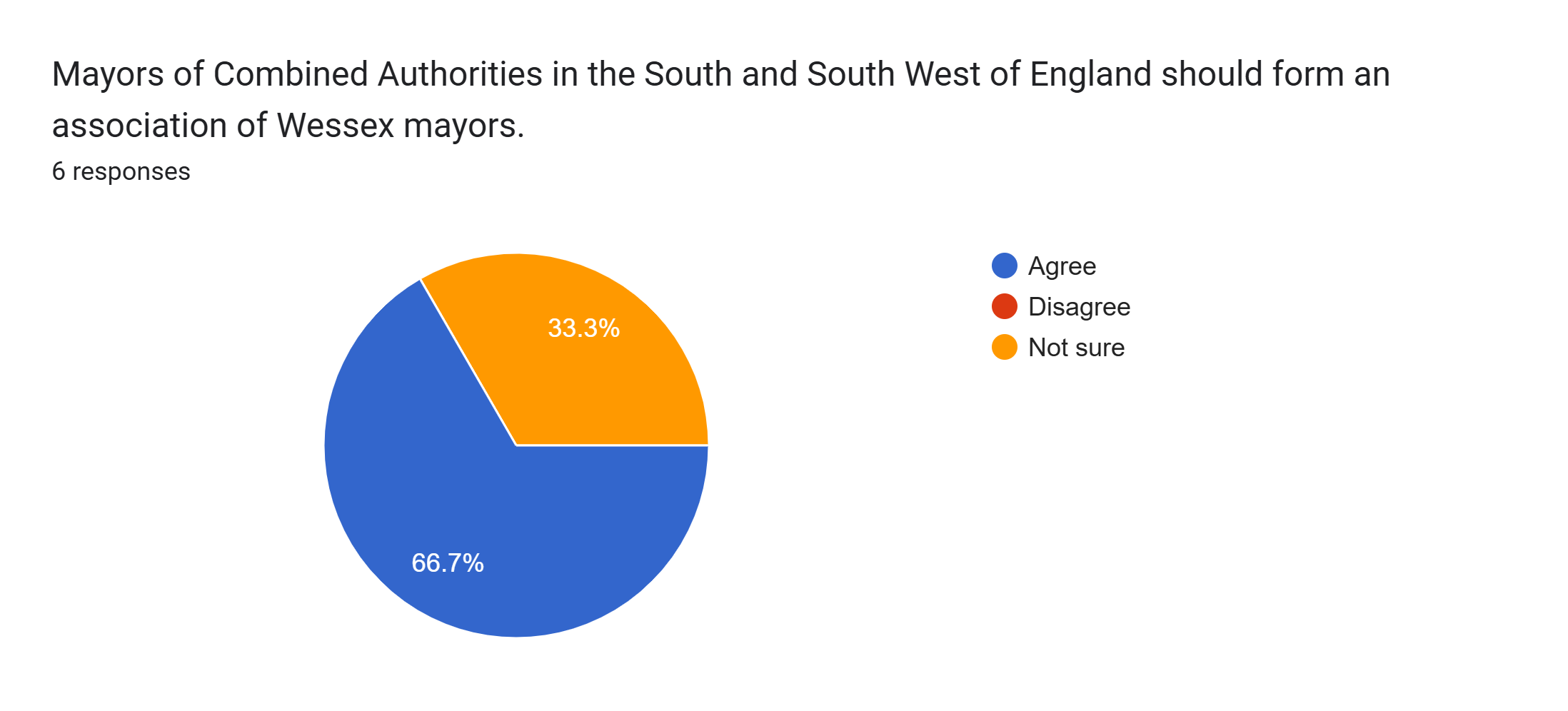
When asked about forming an association of combined authority mayors around Wessex, the idea of combining “South and South West” was not off-putting to respondents on the whole. This is in contrast to the question of devolving a “Heart of Wessex” Strategic Mayoral Authority between Somerset, Wiltshire and Dorset.
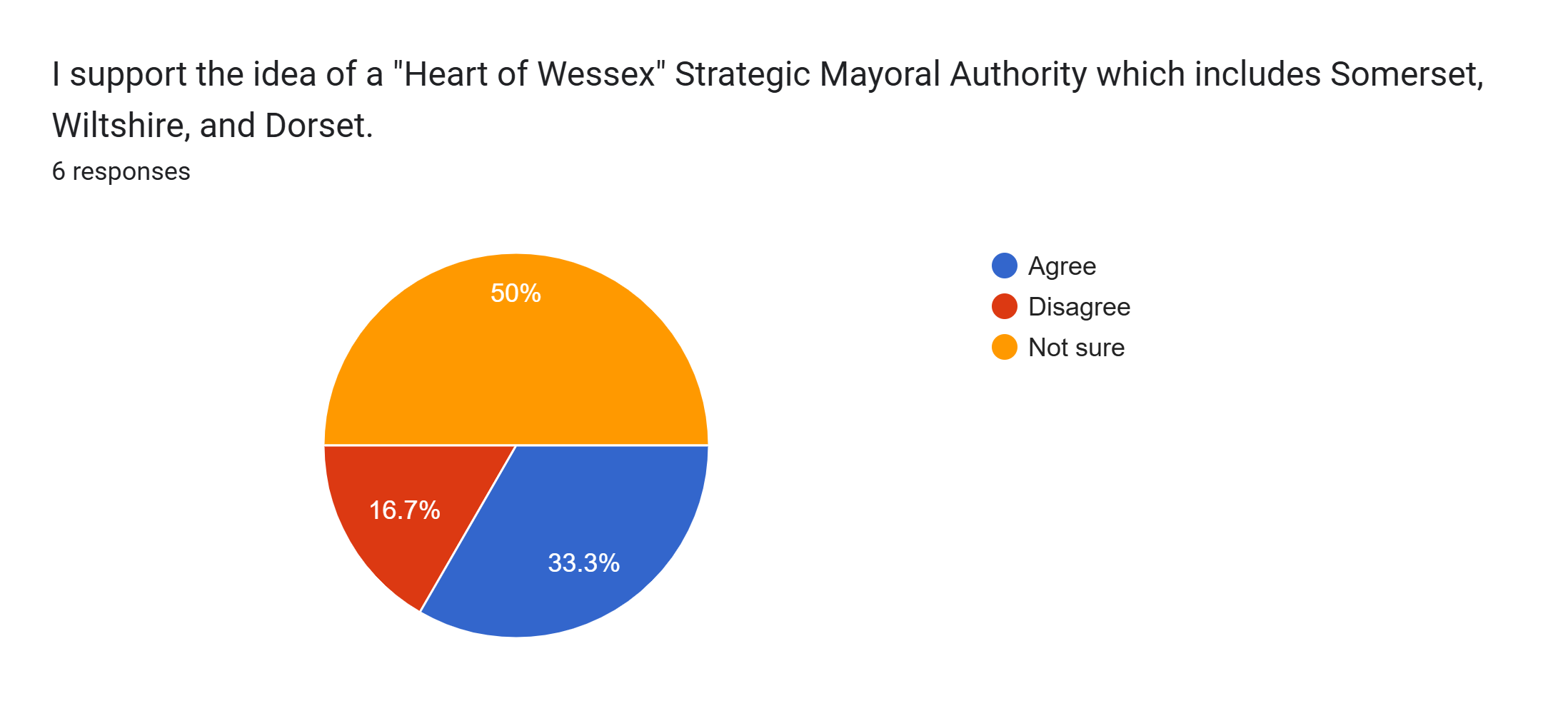
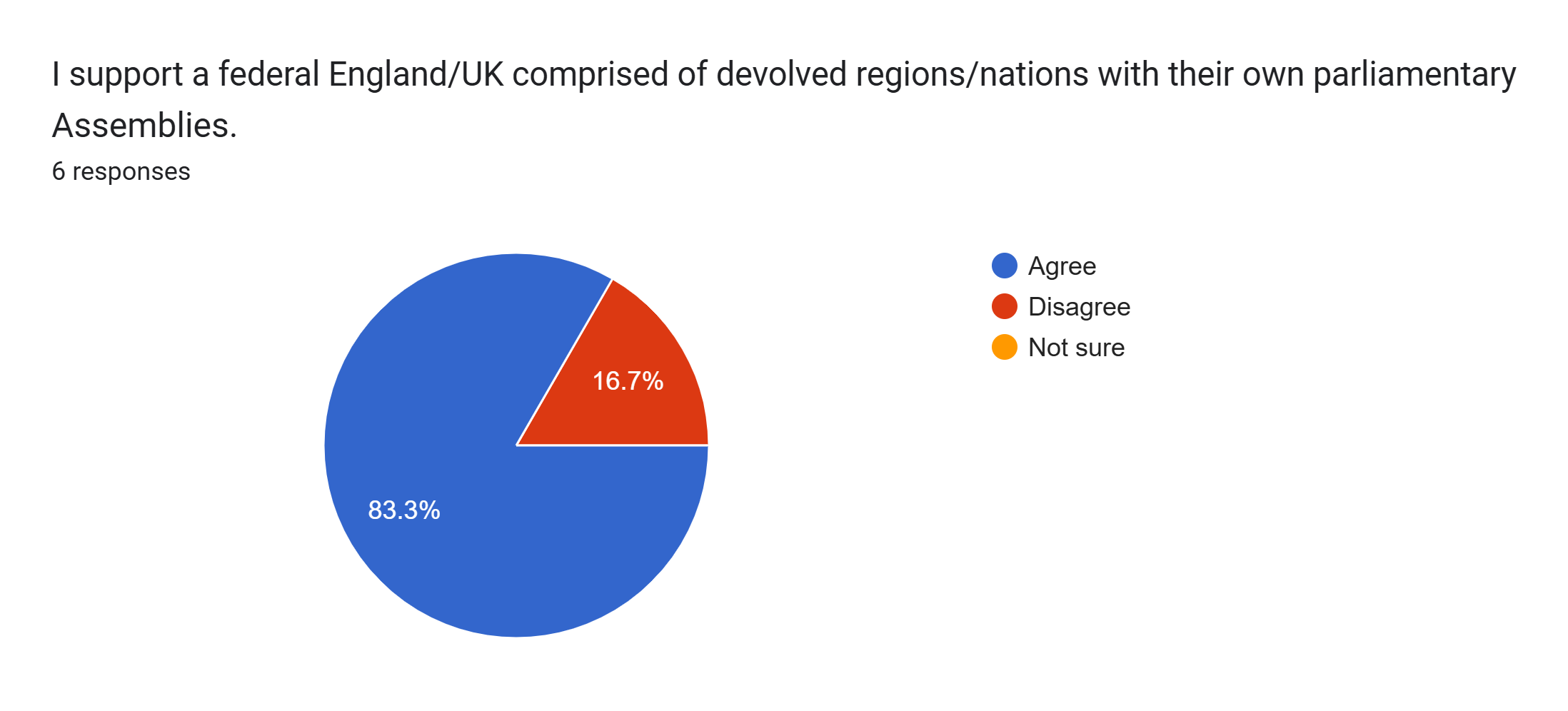
While respondents were generally in favour of devolved regions within the U.K., many remain to be convinced that Wessex as a whole, including ‘south central’ England and excluding Cornwall, should be the favoured territorial arrangement.
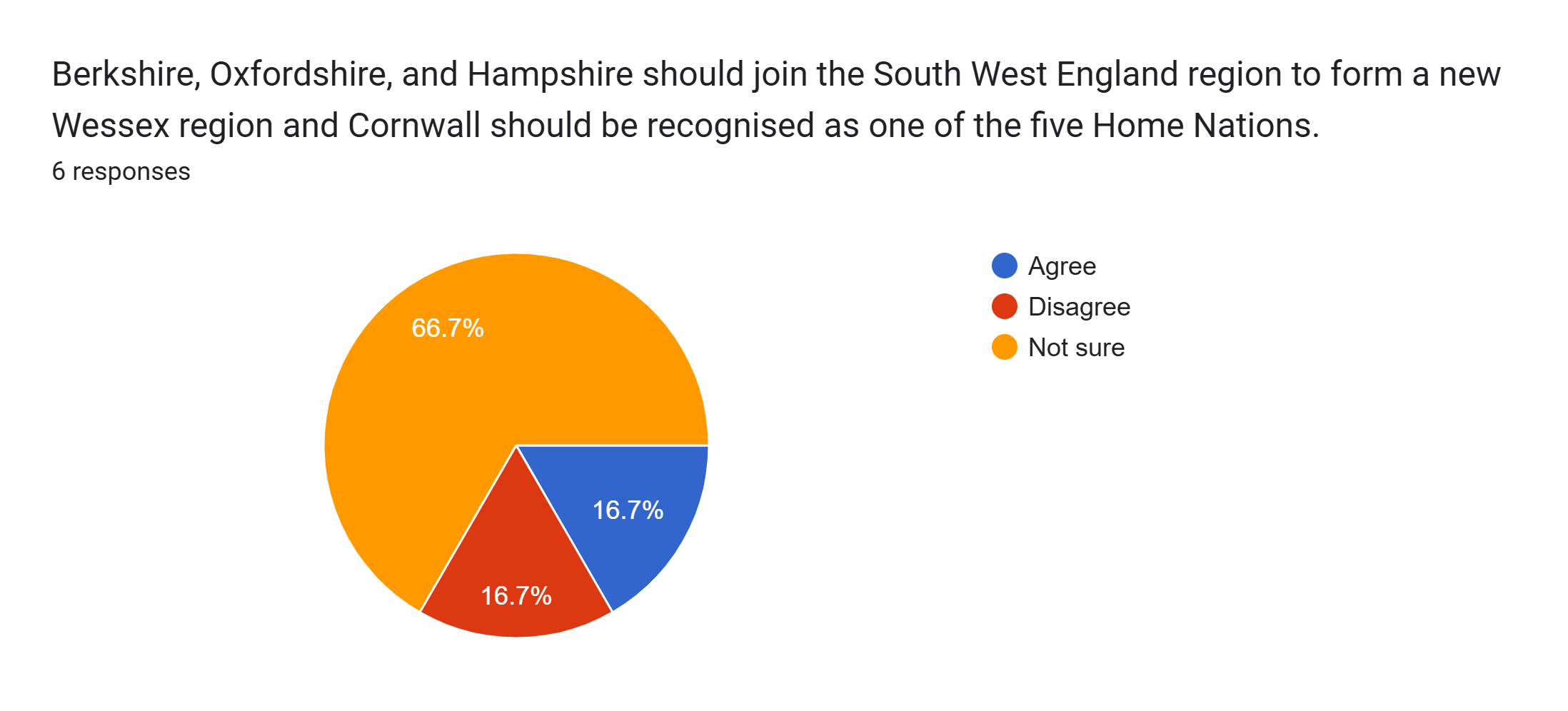
All, however, agree that it is a matter for those peoples to decide. Nonetheless, WR legitimately continue to state the case for a certain territorial arrangement in the minds of said peoples.
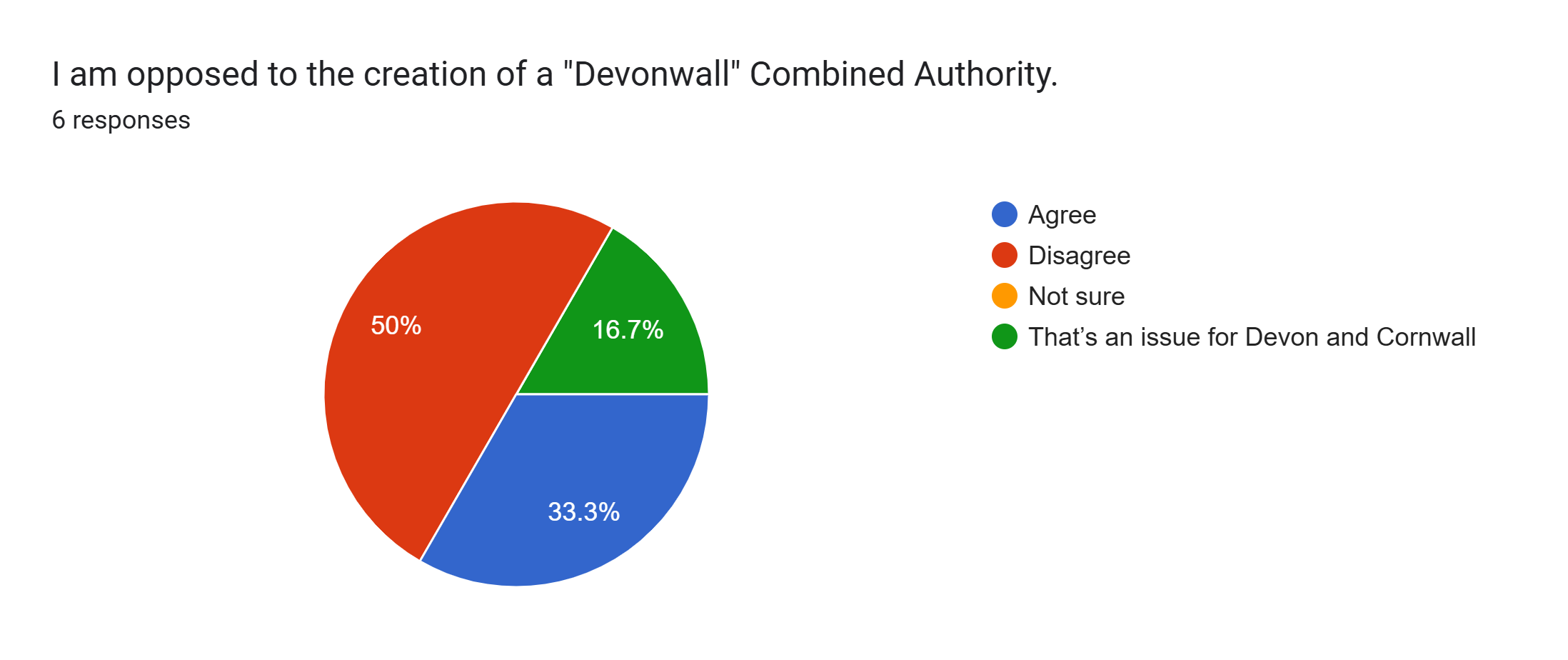
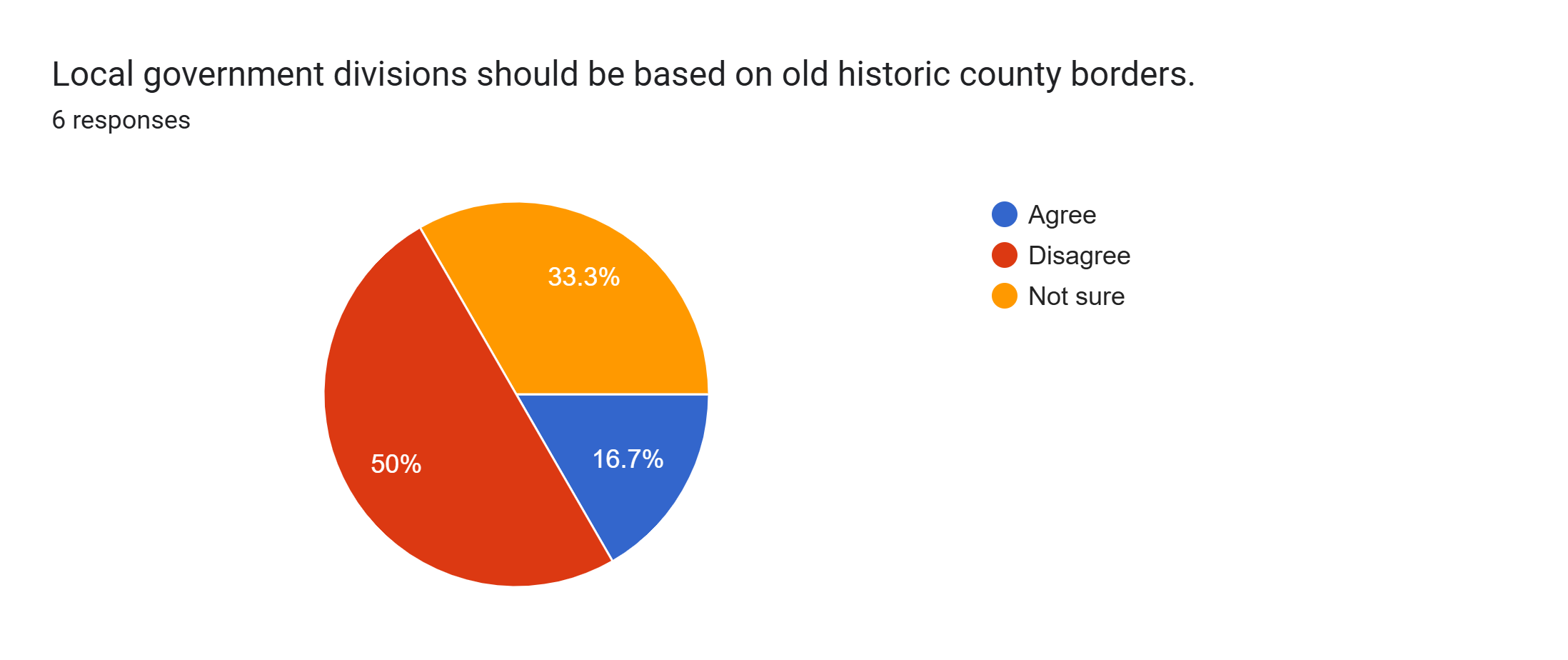
The idea of using historic county borders as the basis for local government is unpopular; however, since proposals are not absolute, this idea, which is currently in draft stage with WR, could be adapted and-or limited in scope. I personally believe that historical counties should have some form of actual continuation, rather than be relegated to the realm of trivial knowledge.
Support for devolution
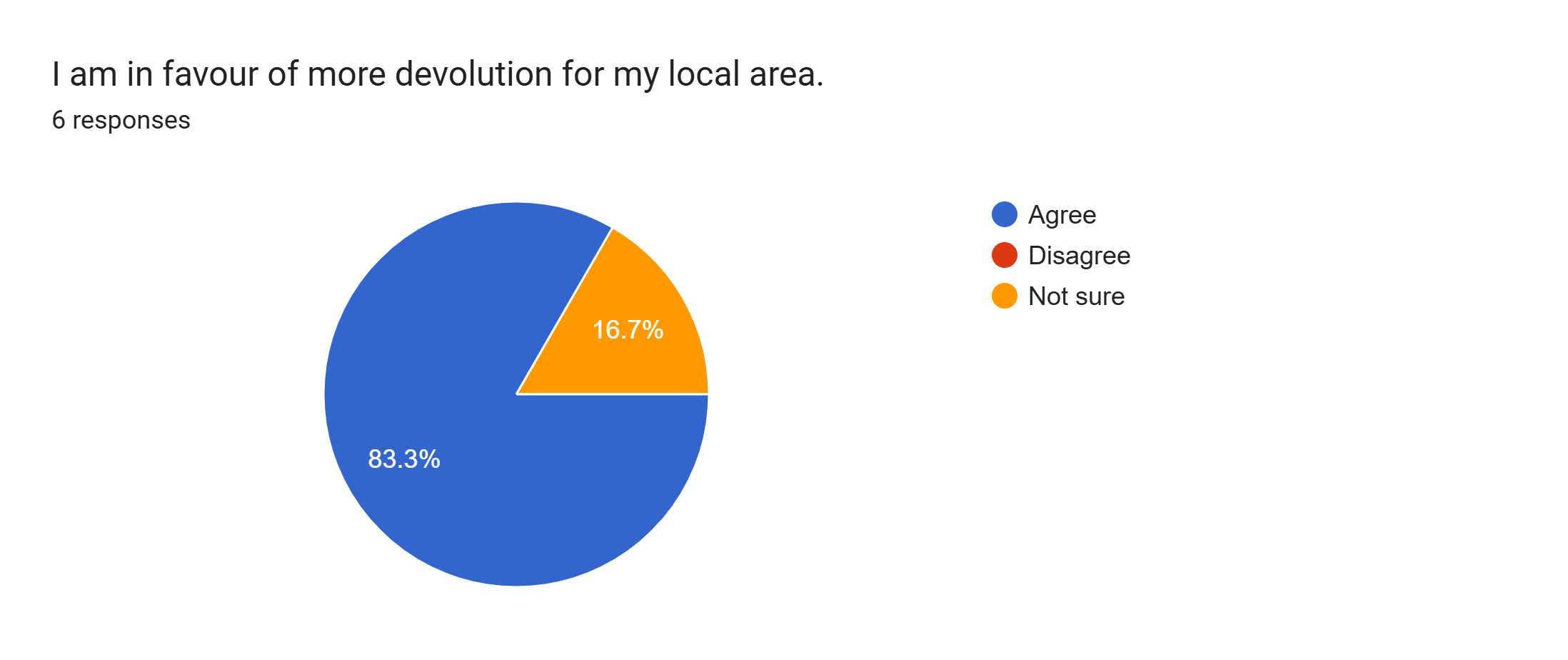
There is a tendency for independent candidates to be somewhat localist, which is reflected in our polling on matters of devolution. Interestingly, while all but one respondent was in favour of more devolution for their local area, two thirds of respondents were in disagreement with the Labour Government’s current approach to devolution.
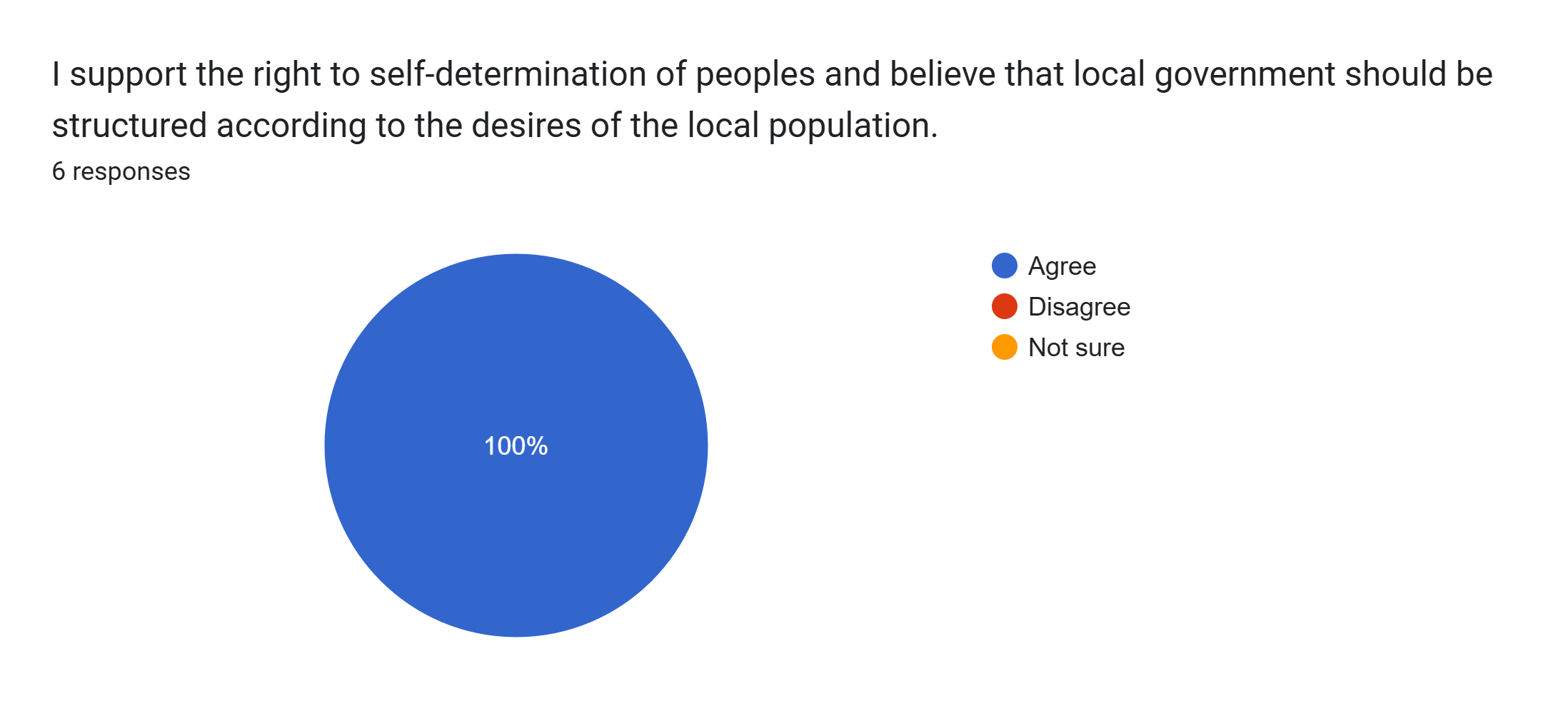
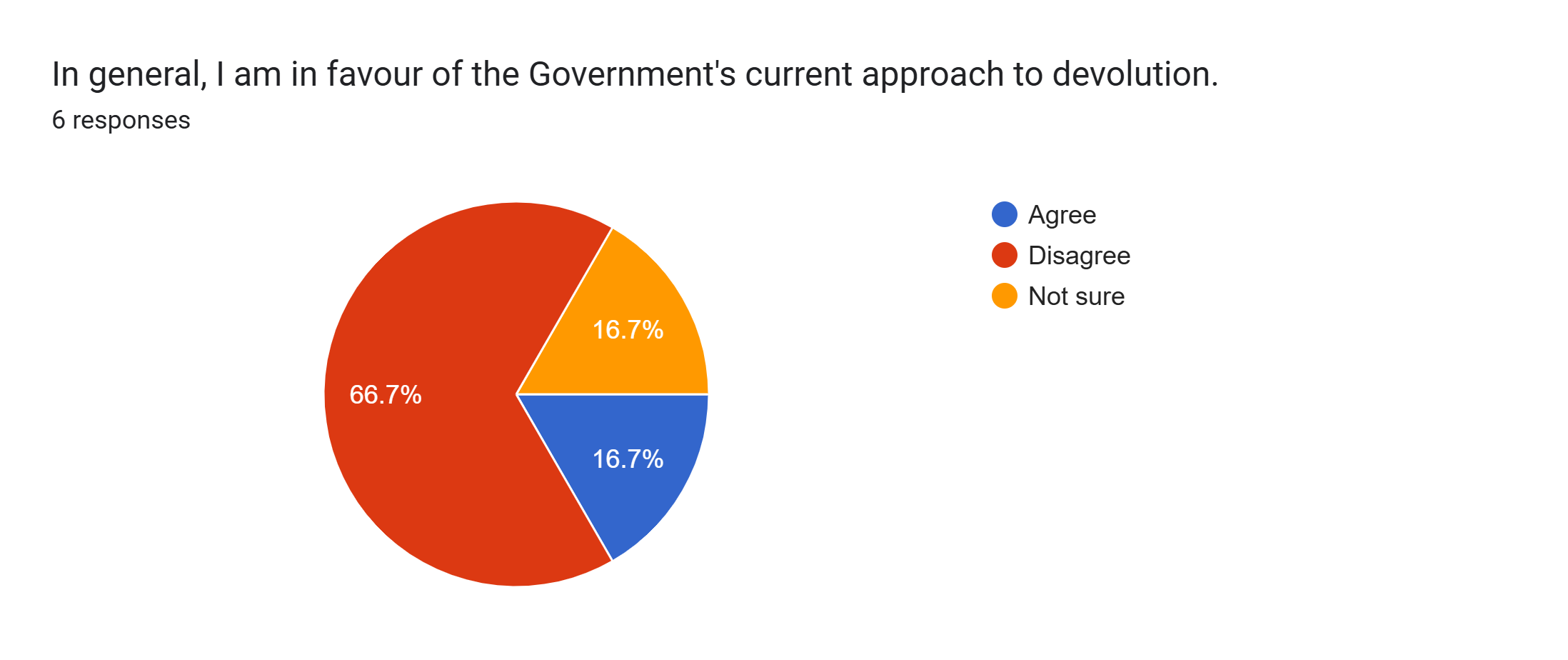
There is, perhaps, little to be surprised about: Labour’s plans to create larger, unitary authorities and vest power in figurehead Combined Authority ‘metro mayors’ has been seen as a type of centralisation. Indeed, when I asked Jon Hubbard, independent Wiltshire councillor, about regionalisation, he was wary that what is called ‘regionalisation’ could actually imply a degree of centralisation where ‘regional’ authorities such as in the metro-mayoral system, take away power from the local level, as in the metro-mayoral proposals. This is the case in Labour’s plans; Wessex Regionalists, however, understand that devolution should not stop or start at the regional level; power should flow through levels of government from the national to the local and vice-versa. Where The Statue of Wessex lists 14 policy areas (“functions”) in which power to be devolved from central government and, in terms of possible ‘centralisations’, suggests only that County Councils become, in effect, replaced by committees in a Wessex Assembly which exercise the same powers.
Scope of devolution
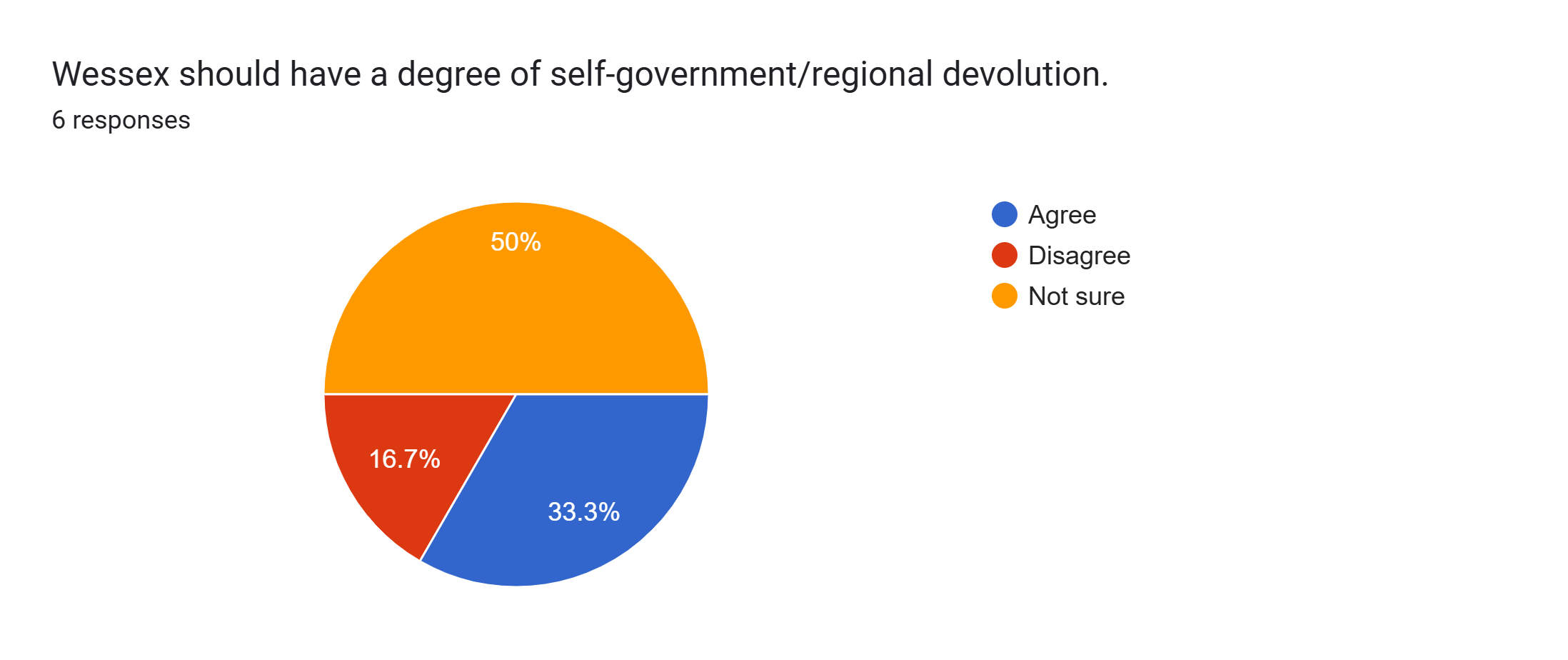
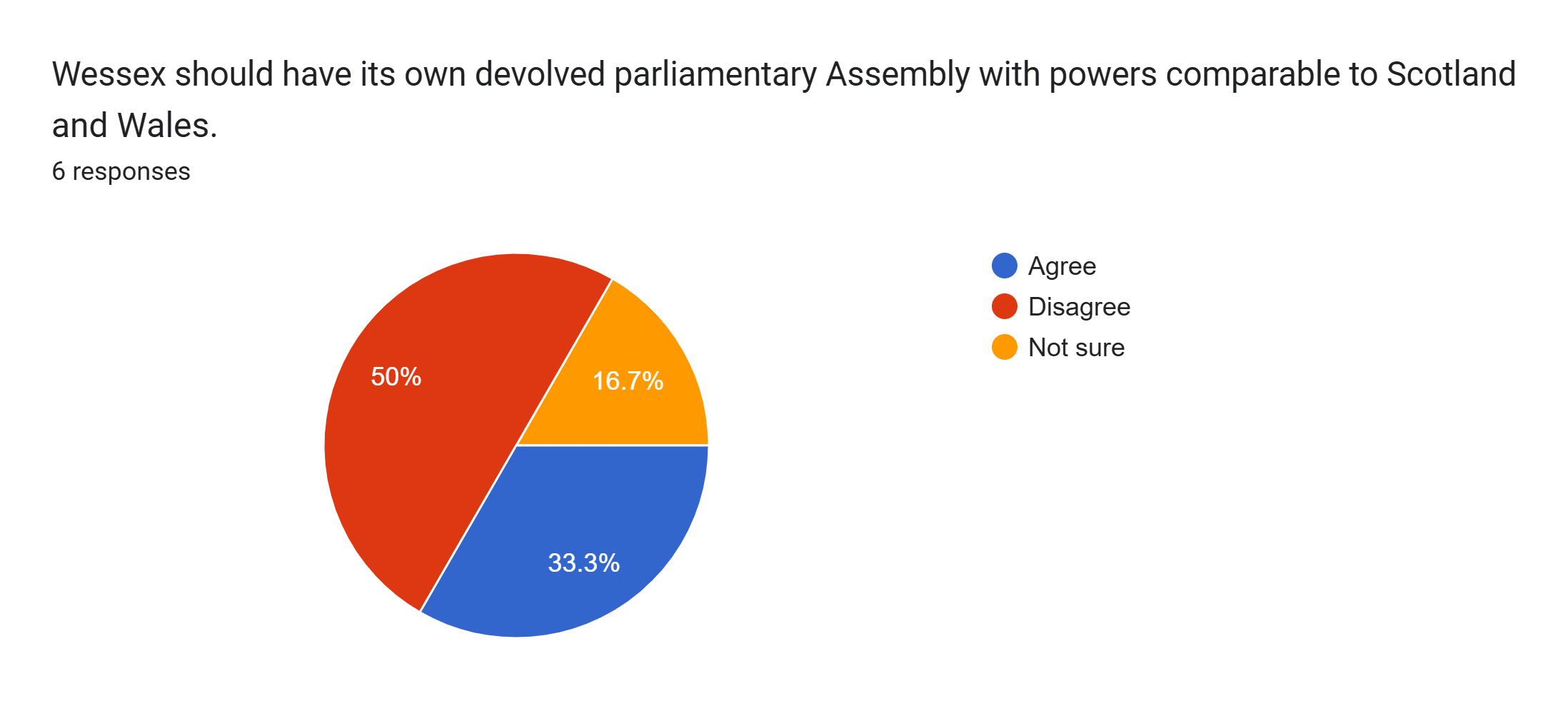
As many agree with the concept of Wessex devolution as do with the ‘devo-max’ model of ‘powers comparable to Scotland and Wales.’ More were in explicit disagreement with devo-max than they were with the idea of a ‘degree of self-government/regional devolution for Wessex.’ One conclusion Wessex Regionalists might take from this data is that, at least pragmatically, a change in party advocacy away from the ‘devo-max’ model towards something like the ‘devo-plus’ or even ‘administrative decentralisation’ as a starting point may gather support. It is possible that a lack of strongly-perceived identity correlates with this lack of desire for expanded powers, but many would nonetheless concede that ‘administrative decentralisation’ as per the French regional system, where regional governments have a say on, for instance, regional rail services, is a sensible idea. The nationalisation of the railways taking place under Labour, will leave it incumbent upon Wessex Regionalists to propose ways of ensuring that control of local and regional services come into the hands of those who are most affected by them, rather than being governed by a single, appointed transport secretary, elected on the dubious management of Westminster first-past-the-post. In many other sectors, making the case for Wessex control as an alternative to this centralist status quo could bring support for deeper devolution to the region.
Wessex Regionalist values
The final part of the survey was designed to ensure candidates we would wish to endorse agreed with the Party’s five values.
Devolution had already been asked in the rest of the survey, which left environmental stewardship, community ownership, ethical politics, and vital democracy. Many of these come from Wessex Regionalists’ association with Common Wealth, the post-war left-libertarian movement, and early campaigning for ecological awareness.
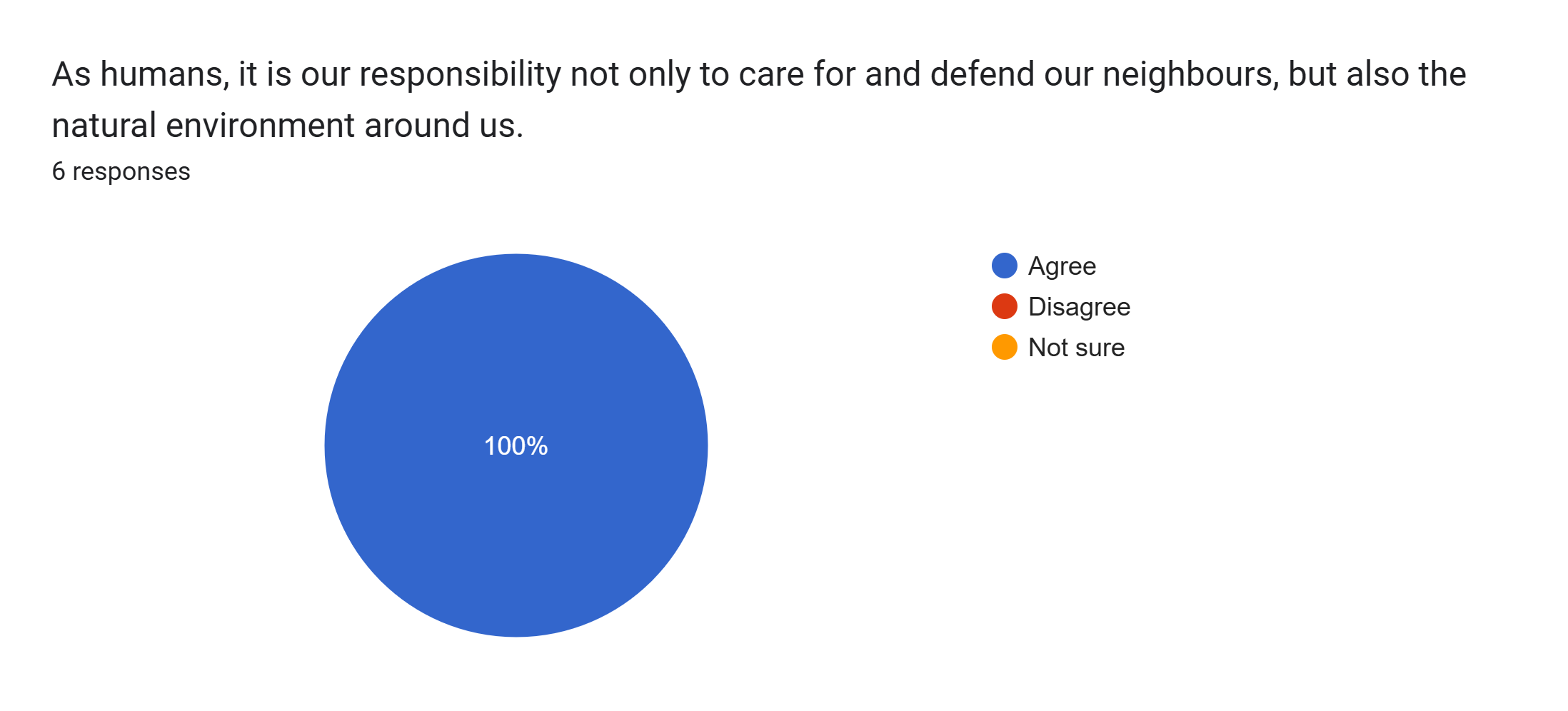
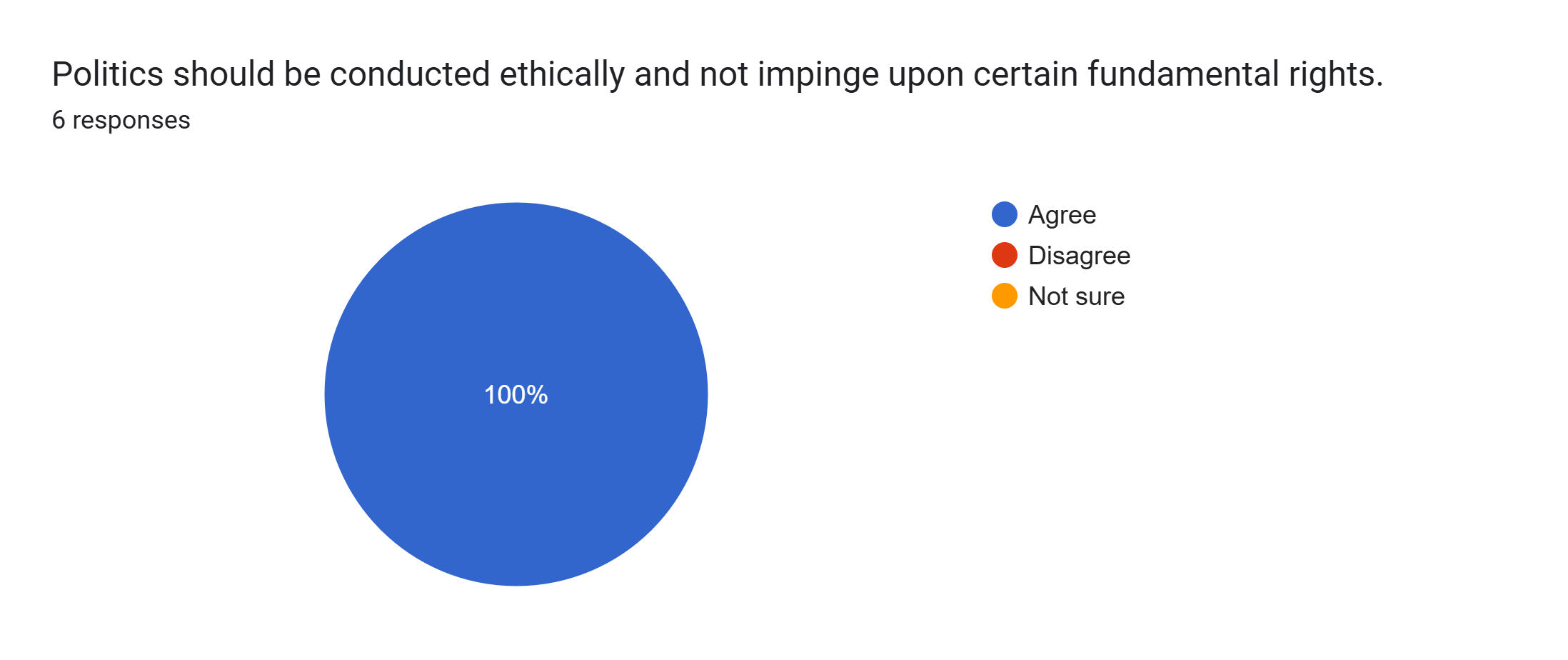
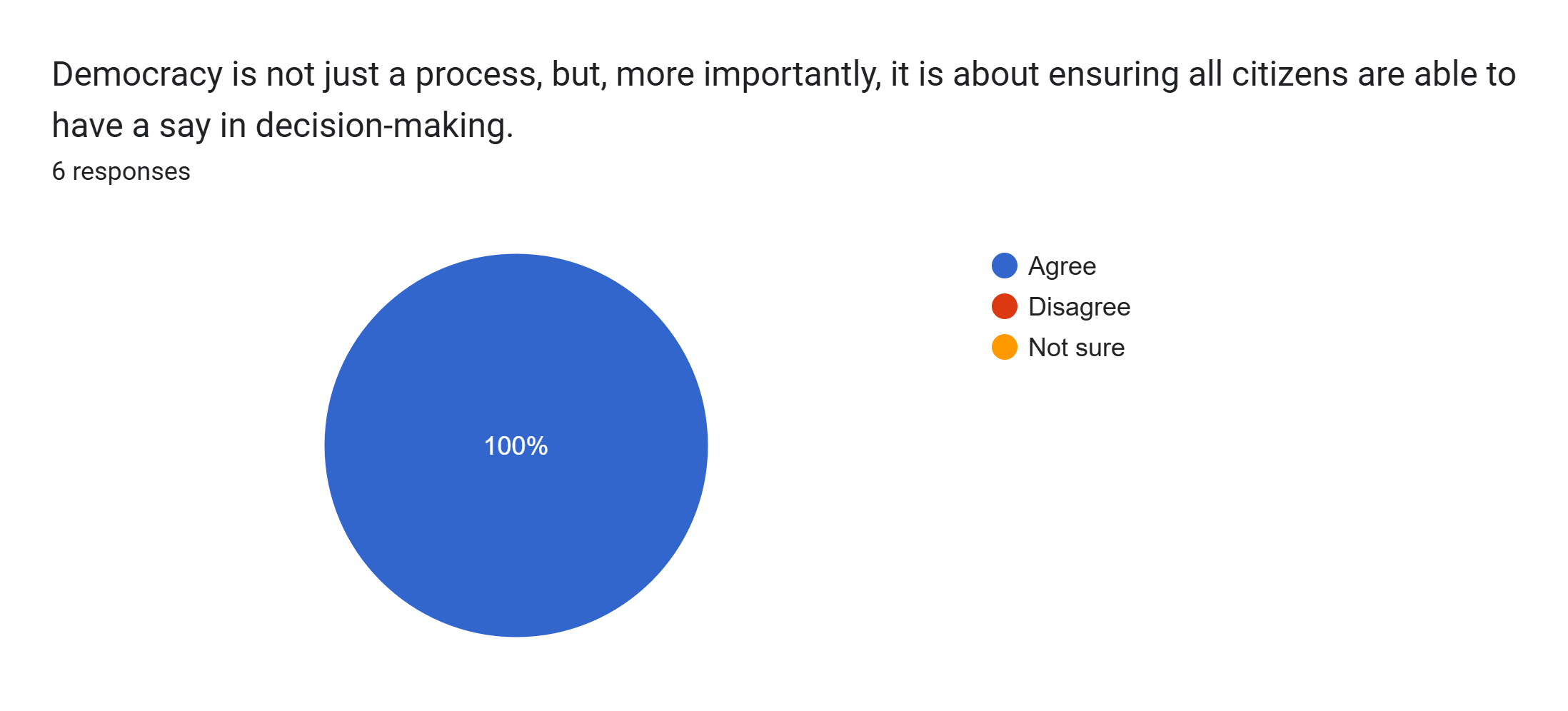
Statements aligning with environmental stewardship, ethical politics, and vital democracy were all responded to with complete agreement. Only the community ownership value proved capable of producing doubt in one respondent.
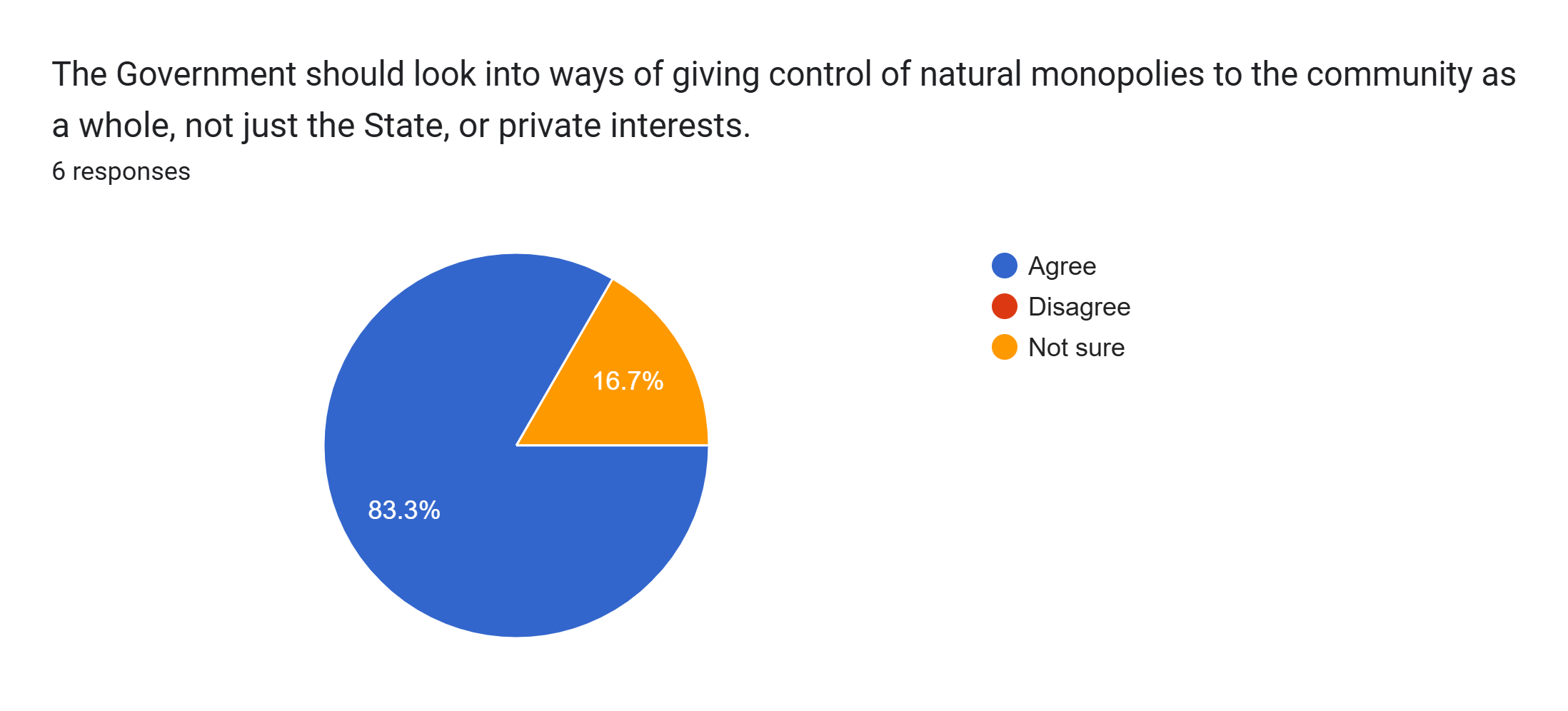
Most candidates agreed with the WR position. To interpret the minority of one is speculative; it could reflect indifference, or a need for further information. As no-one disagreed, it is unlikely to indicate an explicit preference for either State direction or for private, corporate ownership.
Independents’ high level of support for the WR alternative, of community ownership, is in line with polling evidence that the public wants to see change. It contrasts with the current political reality in which the major parties in England remain largely defenders of the status quo. WR seeks to widen and deepen the debate, to ask what form change could take and how to bring it about.
 Wessex Regionalists
One thought on “Independents for Wessex – Local Elections 2025 – Wessex and Local Government Survey results”